Hive Care
Hive care with plant oils and organic acids
This is the shelf used in the hive rather than in the feed: strips hung between the frames or laid on top of them, and sprays applied between the frames and over the bees. The composition differs from product to product — aromatic plant oils, plant blends and organic acids — and is given in full on every product page. Made from naturally occurring substances, with no synthetically produced molecules. The manufacturer states that they leave no residue in honey or comb, which is why they can be used through the season and not only between harvests. These are not medicines and are not intended to prevent, treat or cure disease.
Products in Hive Care
 +25% BONUS· 1.25 L
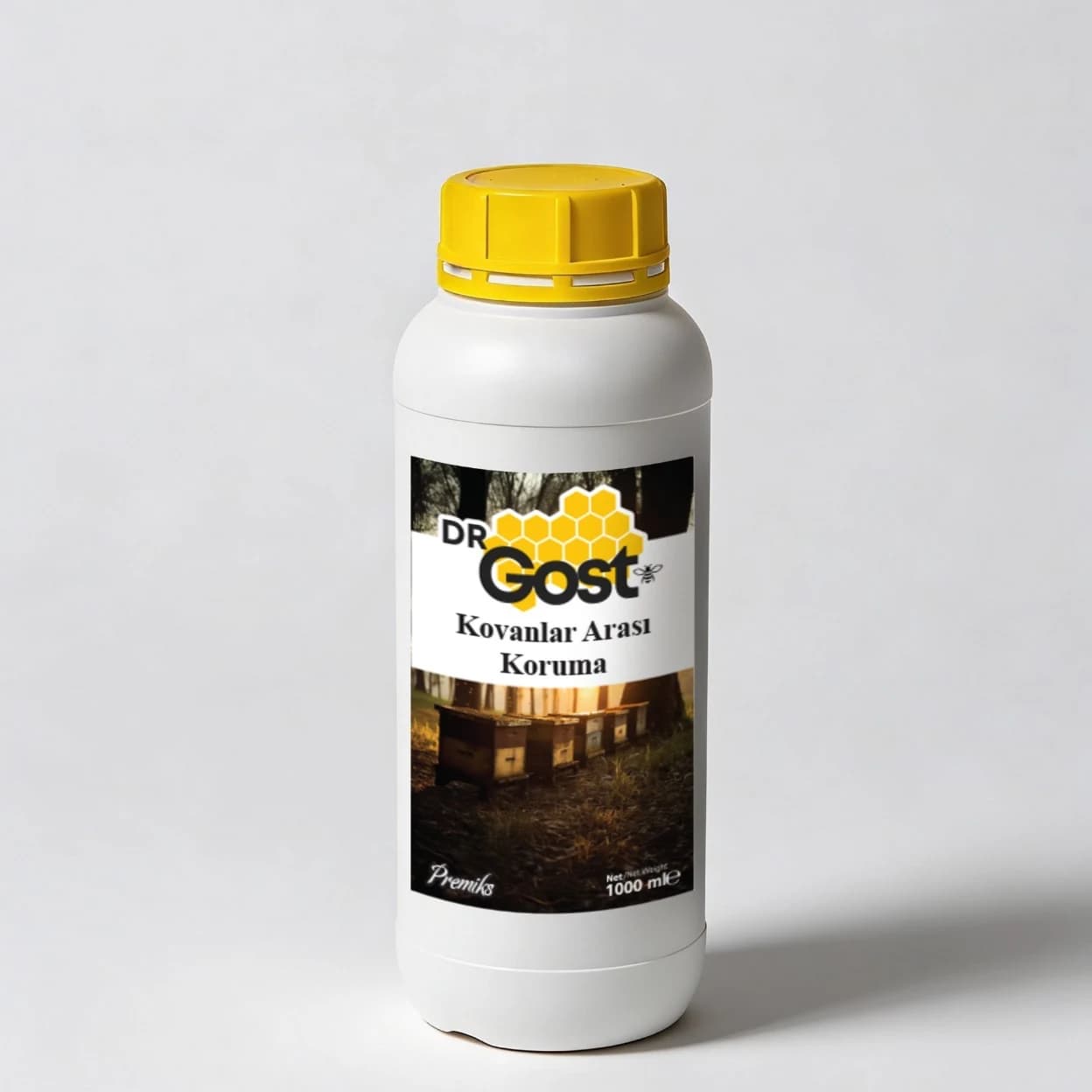
Hive-to-Hive Protective Spray 1 L (Dr. Gost)
Sprayed on the box before it goes to the bees — they take it over sooner and clean it themselves.
239.20 SEK/l
 +25% BONUS· 1.25 L
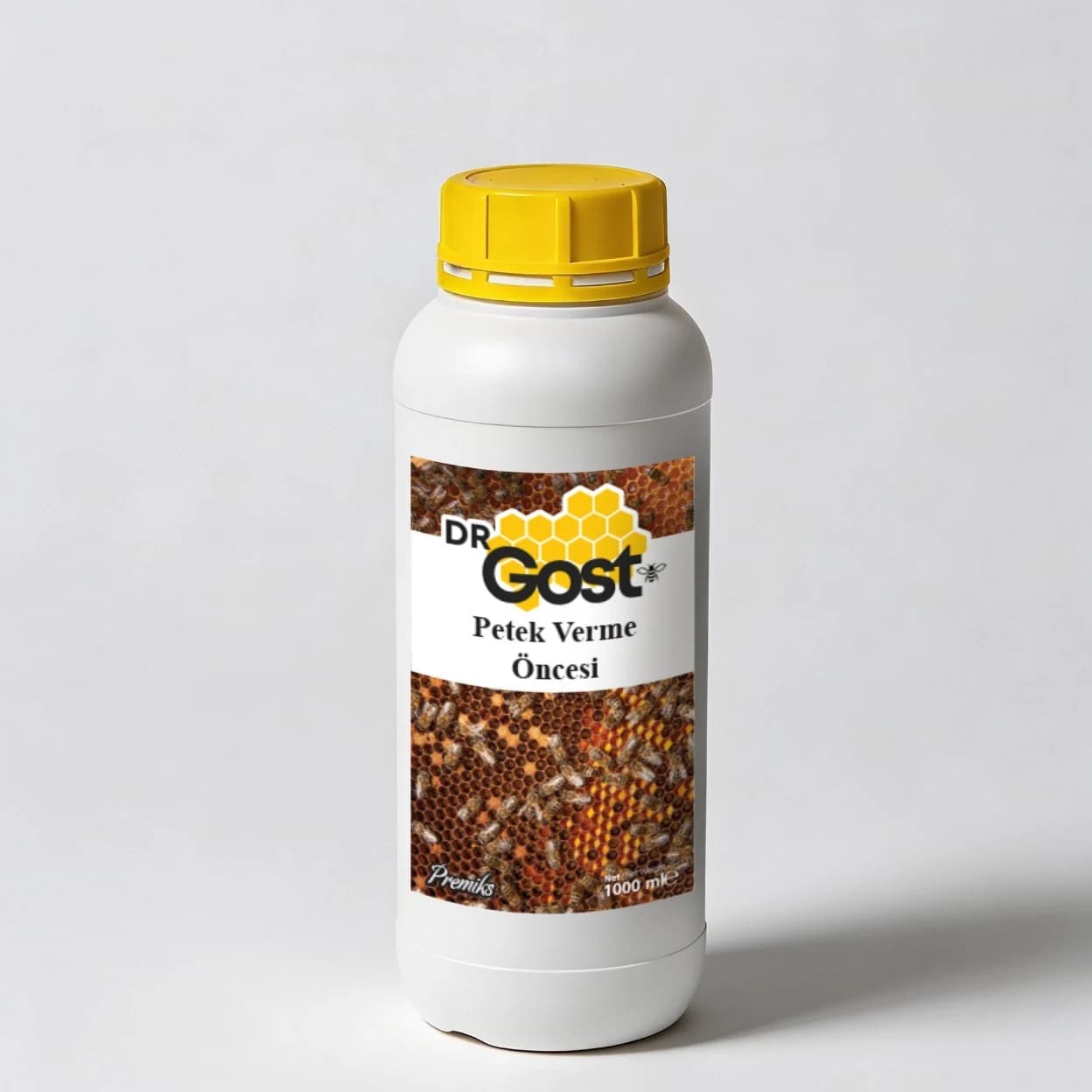
Pre-Comb Placement Spray (Dr. Gost)
Sprayed onto drawn combs from the previous year before they are given back to the colony. 1.25 litres.
239.20 SEK/l
 +25% BONUS· 1.25 L
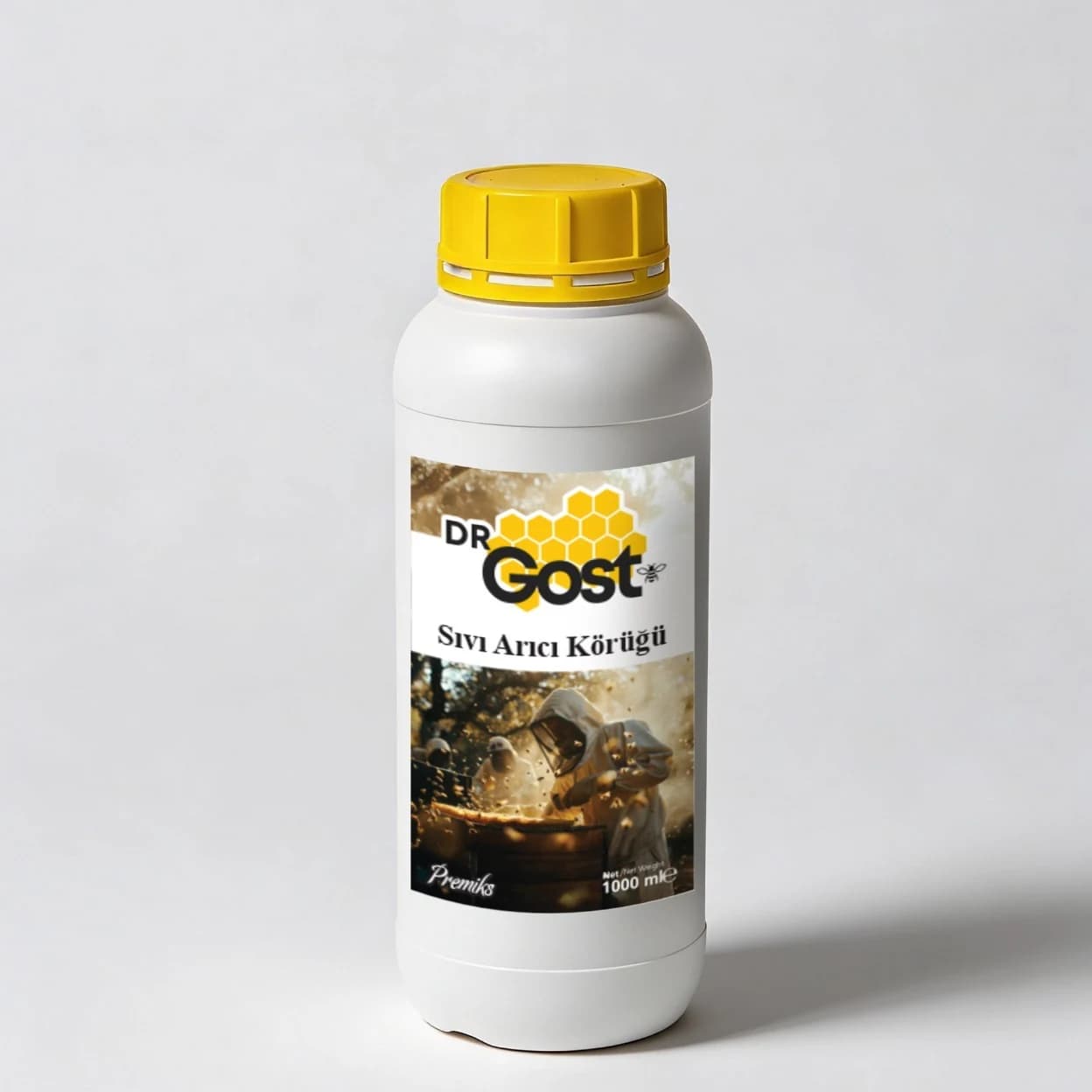
Liquid Bee Smoker Spray, Vitamin-Enriched 1 L (Dr. Gost)
Calms bees during hive inspections; vitamin-enriched feeding lowers their stress.
239.20 SEK/l
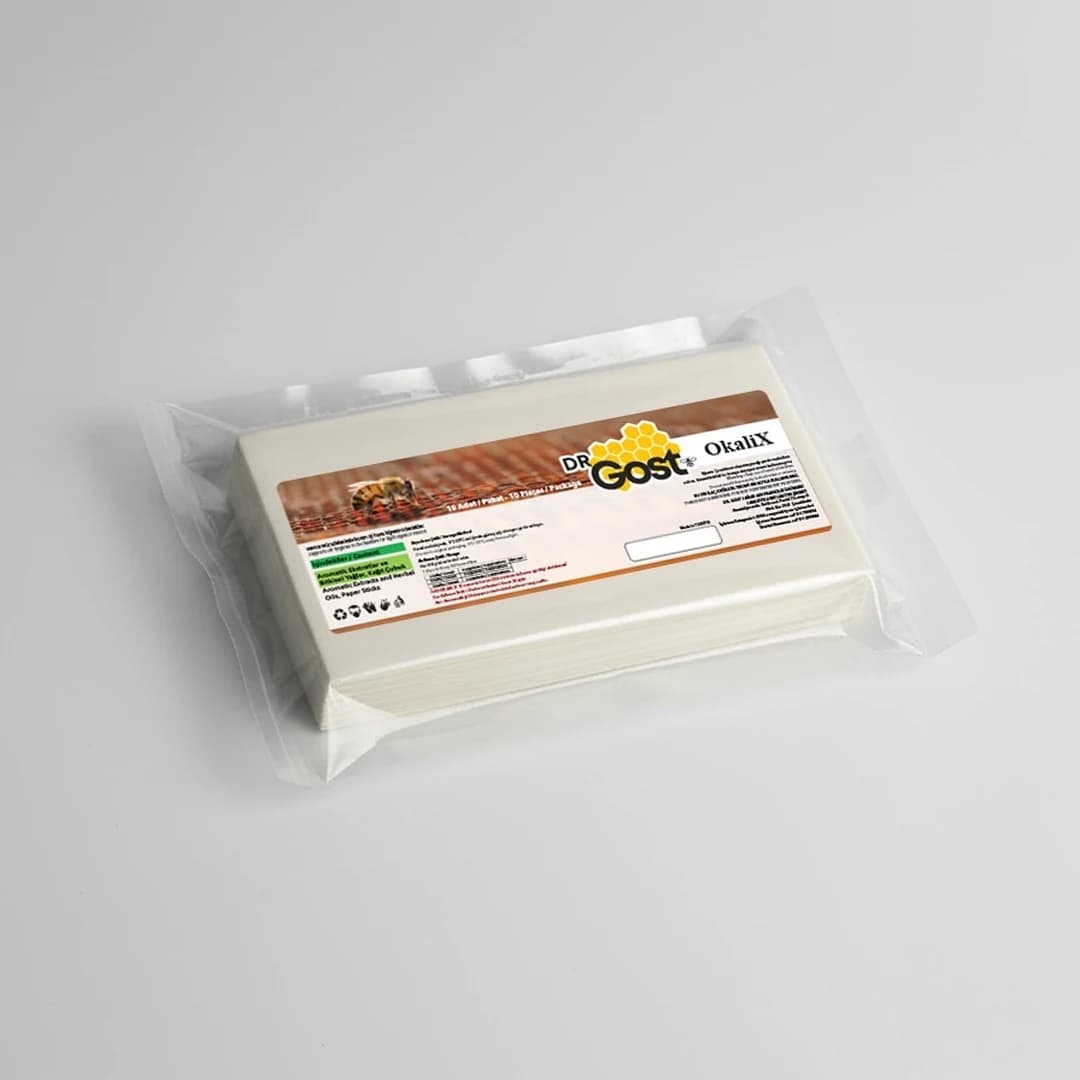
Okalix Natural Hive Supplement Strips (Dr. Gost)
Hive strips — glycerine, organic acids and vegetable oil on cellulose paper
13.90 SEK/st
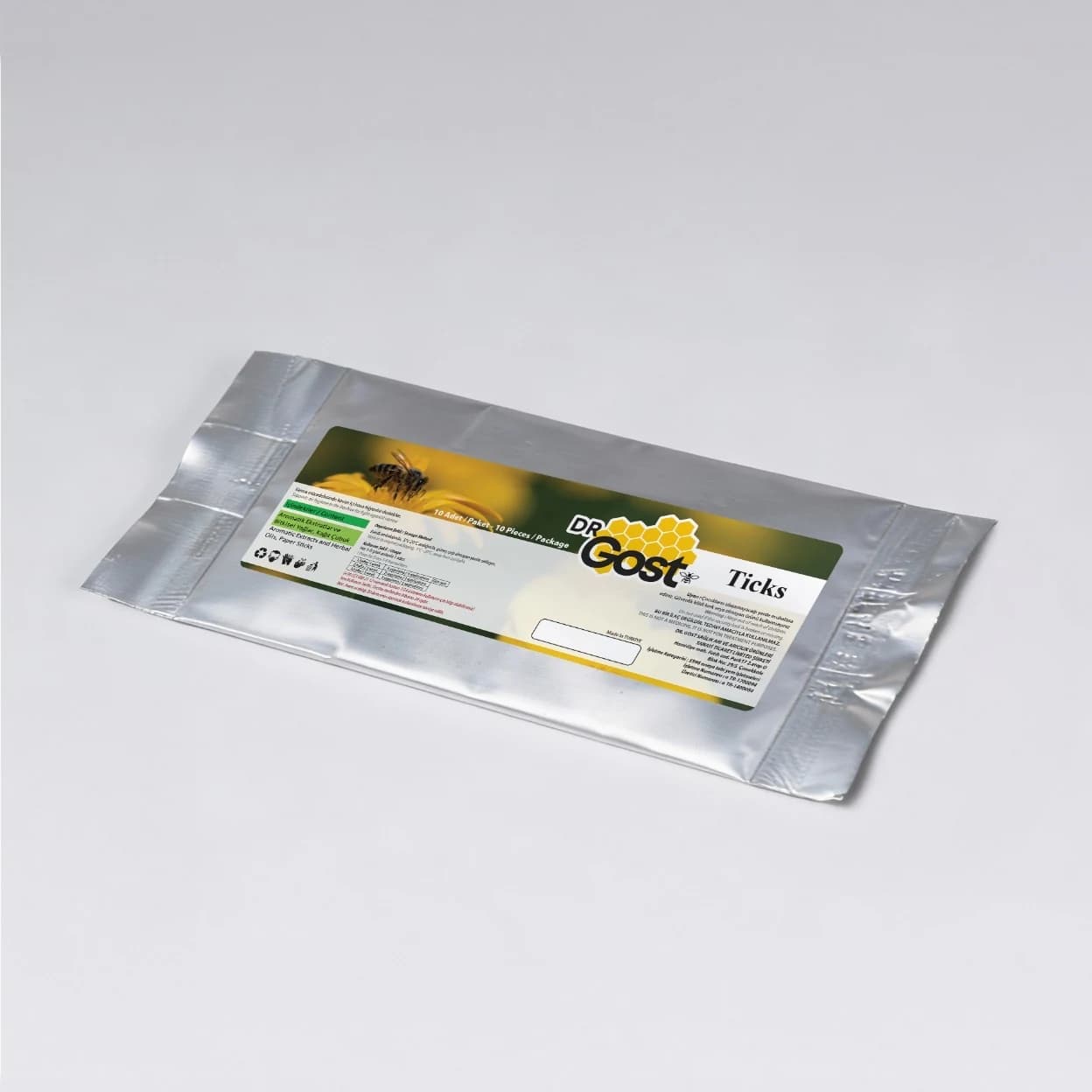
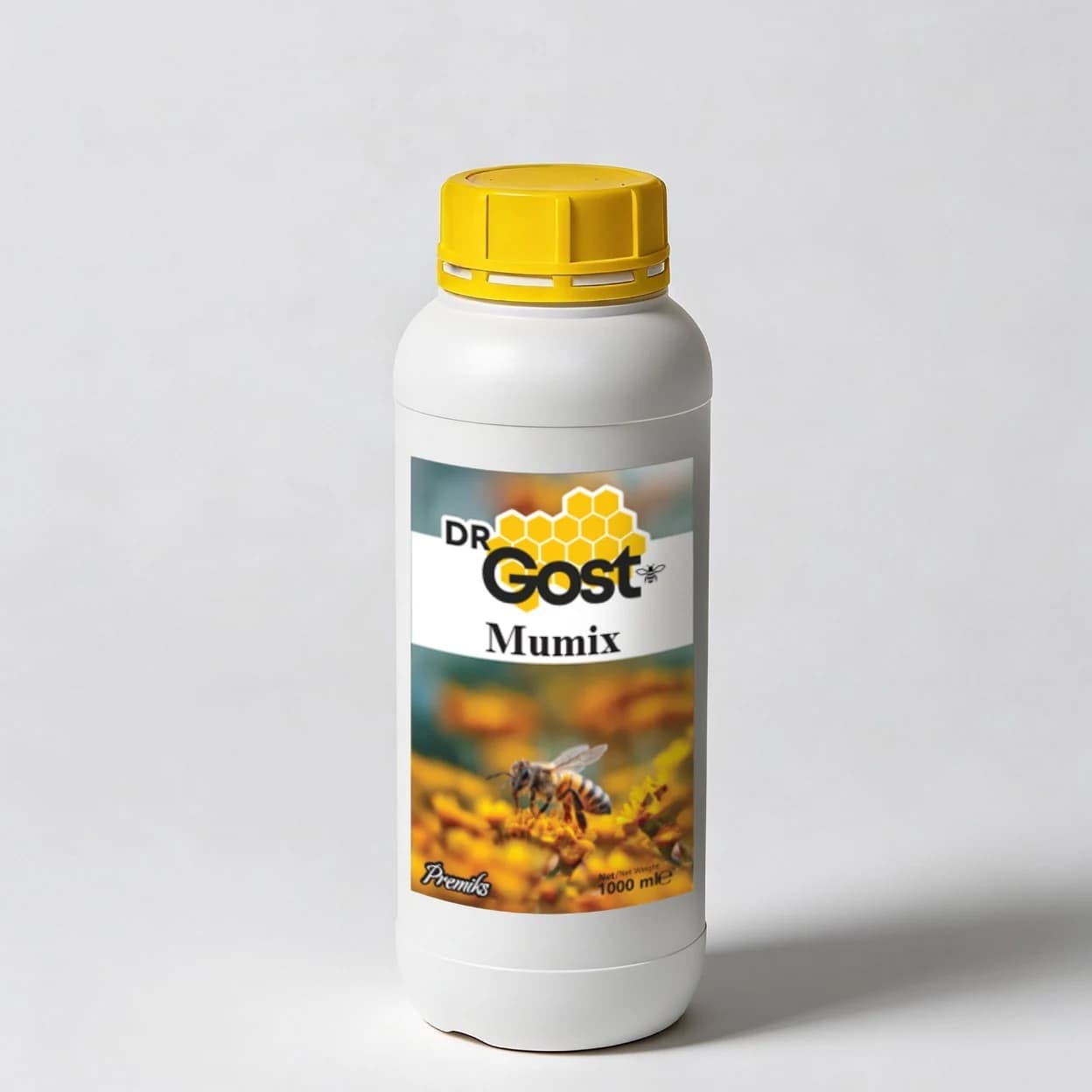
Hive care in practice
Clean comb is half of hive care
Wax collects whatever the bees bring in, and old comb darkens with years of cocoons and pollen. Most beekeepers replace a third of the brood comb every year, which gives each comb three seasons.
Frames are easiest to keep track of if you mark them with the year as they go in. Without a mark the replacement becomes a guess, and the guess always favours the comb.
Damp is a bigger problem than cold
A colony copes with cold. What wears it down is condensation dripping onto the cluster. A hive with air at the top and a slight forward tilt leads the moisture out instead of collecting it.
It is also why late, thin feed is a poor idea: whatever water the bees have not driven off is still in the hive when the cold arrives.
What ends up in the wax stays in the wax
Fat-soluble substances accumulate in wax and travel with it when comb is rendered. That is why many beekeepers are careful about what goes into the hive at all, and why organic acids and plant-based preparations are held in regard: they do not bind in the wax the same way.
Write down what you used and when. Jordbruksverket requires a medicines journal for treatments, kept for five years — including for organic acids, which are not classed as medicines.
Tools, hands and moving things between hives
Comb and tools that travel between colonies carry everything else with them. Clean the hive tool between hives, and do not move comb between colonies for convenience.
The bottom board is the simplest check you have: what lies on it tells you what is going on inside without opening the hive.