Why Turkey Is the World's Second Honey Producer, and What That Means for Bee Nutrition
By Adam M Akkemik — beekeeper in Svinninge · Jordbruksverket registered · Biodlarna Stockholm member
Second in the world for honey, third for hives, first in Europe, and up to 92 per cent of all pine honey. Five native subspecies of Apis mellifera live in Anatolia, beekeeping is a university degree with a state research institute behind it, and one near-lost local ecotype was rescued by a university and a beekeepers association working together. This is our answer to a fair question: our honey is our own, so why are the supplements Turkish?
Because that is where the research is, and the numbers are not close.
Turkey is in the world's top three on every measure that counts, and first in Europe on all of them. Second in the world for honey produced, third for the number of hives — around nine million colonies. China has roughly 1.4 billion people to Turkey's 85 million, which means that per head of population there is no serious rival anywhere. Beekeeping in Turkey is not a hobby that happened to scale up. It is an industry with a discipline behind it.
This article is our answer to a question we get asked, politely and reasonably: our honey comes from our own hives in Svinninge, so why do the supplements come from Turkey?
The numbers, and which measure they belong to
It matters which figure is being quoted, so here they are separately.
Honey production: second. FAO figures put Turkey at roughly 118,000 tonnes in 2022, behind China and ahead of everyone else.
Hive count: third in the world, first in Europe. Around nine million colonies. No European country is close.
Pine honey: up to 92 per cent of world production. This one is worth pausing on. Pine honey is not made from flowers at all — it comes from honeydew, the sugary excretion of a scale insect living on pine, and it needs a particular forest, a particular insect and a particular climate all in the same place. Almost the entire world supply comes from one stretch of the Turkish Aegean. That is not a policy achievement. It is geography, and it is the sort of thing that shapes what a country's beekeepers spend their lives learning.
Five native subspecies in one country
Anatolia sits exactly where Europe, Asia and the Middle East meet, and it was a refuge for honeybees through the glaciations. Research collecting hundreds of samples across Anatolia and Thrace identifies five subspecies of Apis mellifera living there naturally:
- <strong>Apis mellifera anatoliaca</strong> — central Anatolia, the most widespread bee in the country
- <strong>A. m. caucasica</strong> — the north-east
- <strong>A. m. meda</strong> — the east and south-east
- <strong>A. m. syriaca</strong> — the south
- the <strong>C-lineage</strong> of Thrace, in the European corner
On top of the subspecies there is a long list of regional ecotypes, and the literature describes Anatolia as a genetic centre for honeybee populations across the Near East.
This is the part that matters, and it is easy to read past as trivia. A country working with one bee can settle into one way of doing things. A country working with five, each belonging to its own region, across climates that run from Black Sea rainforest to near-desert, cannot. Every valley has a bee that behaves differently, so every generation of beekeepers has to keep learning rather than inherit a method. Diversity does not just sit in the genome. It keeps the craft awake, and it keeps it taught.
Why that produces good products, and not just good beekeepers
Here is the chain, because it is the actual answer to the question this article is named after.
Five regional bees keep the craft alive and educated. A craft that stays educated gets taken seriously. A country that takes it seriously ends up with both halves of what a product needs: research, and a market.
That second half is the one people forget. Nobody invests in a weak market. Formulating a bee supplement properly — trialling it, adjusting it, testing it across seasons and across bee types — costs more than a small market will ever return, so in a small market it simply is not done, and what gets sold instead is something generic with a label on it. Nine million colonies and a research pipeline change that arithmetic. It becomes worth someone's while to do the work properly, and there are enough different bees in front of them that the work has to be good.
Strategic, well-made products come out of strong markets. That is not a compliment paid to Turkey; it is the reason we buy there.
One ecotype, and what happened to it
There is a local Anatolian ecotype called the kılıç bee, named for the way it builds comb lengthwise in a traditional hive. It is known for fast brood-rearing and a high honey yield, and for a temper: keepers describe its sting as noticeably more painful than other stock.
It had nearly disappeared. It was found again in a remote village, and Ahi Evran University and the Kırşehir beekeepers' association put it under protection together, propagated it, and began distributing queens back to beekeepers.
We include that story because it is the most concrete answer we can give. A university and a local beekeepers' association, working together to rescue a bee that only existed in one valley, is not something a country does by accident. It is what a research tradition looks like when you catch it doing something specific.
Beekeeping as a taught subject
In Turkey, beekeeping is a university programme in its own right. Several universities run a two-year degree in it, and the Ministry of Agriculture maintains a dedicated Beekeeping Research Institute. You can hold a doctorate in the subject.
Sweden has excellent beekeepers, some of them better than any we have met. What it does not have is that pipeline: a degree, an institute, and a route to a doctorate, all pointing at the same insect.
The part that is not flattering
An honest article says this too. Those five subspecies are under pressure, and Turkish researchers are the ones saying so loudest. Migratory beekeeping moves colonies hundreds of kilometres across subspecies boundaries, and requeening with commercially bred stock does the rest. The published concern is that native Anatolian subspecies are losing their original traits and, in places, facing extinction.
A genetic centre is not automatically a well-guarded one. The kılıç rescue is what the response looks like; it is also evidence of how close the loss can come.
What this has to do with what we sell
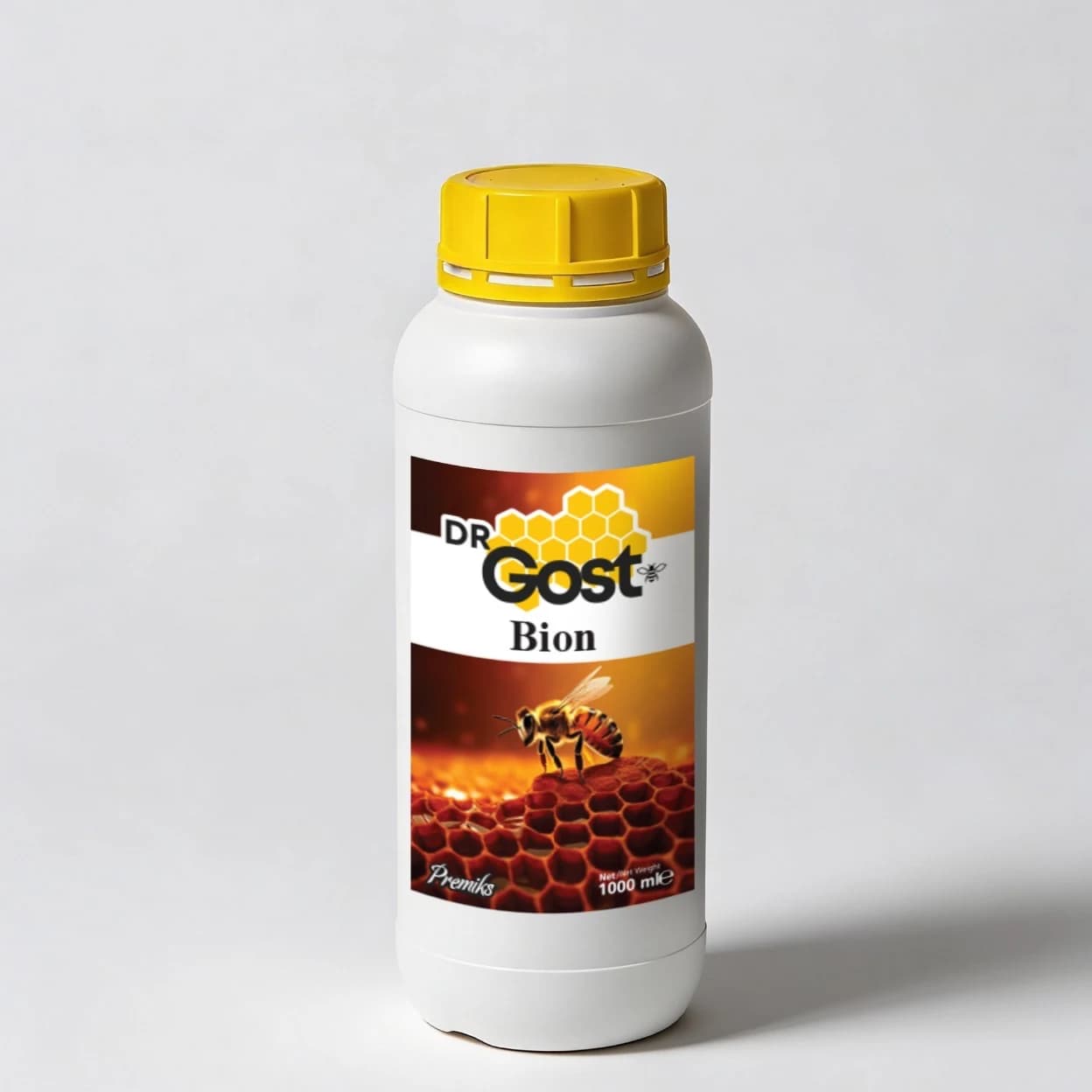
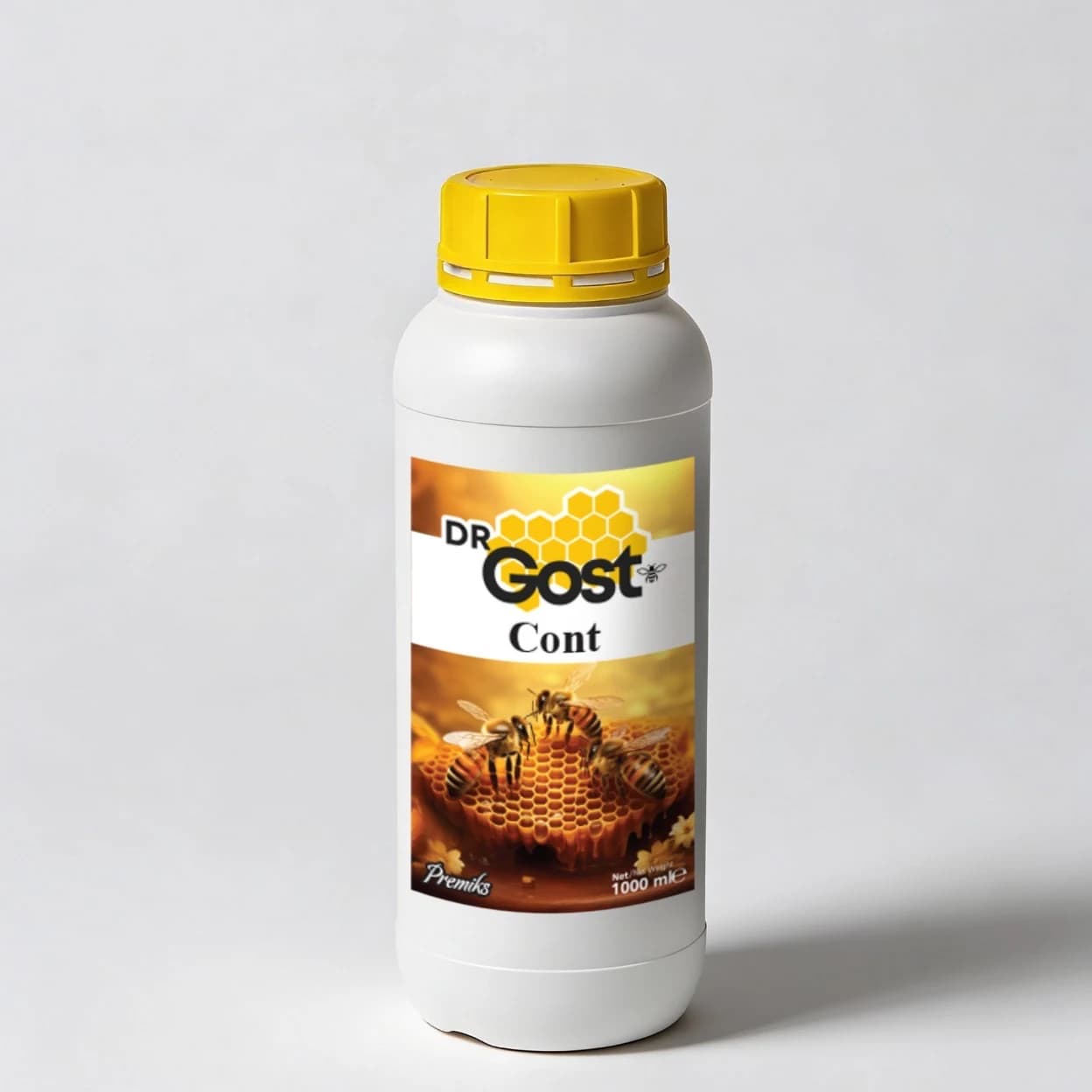
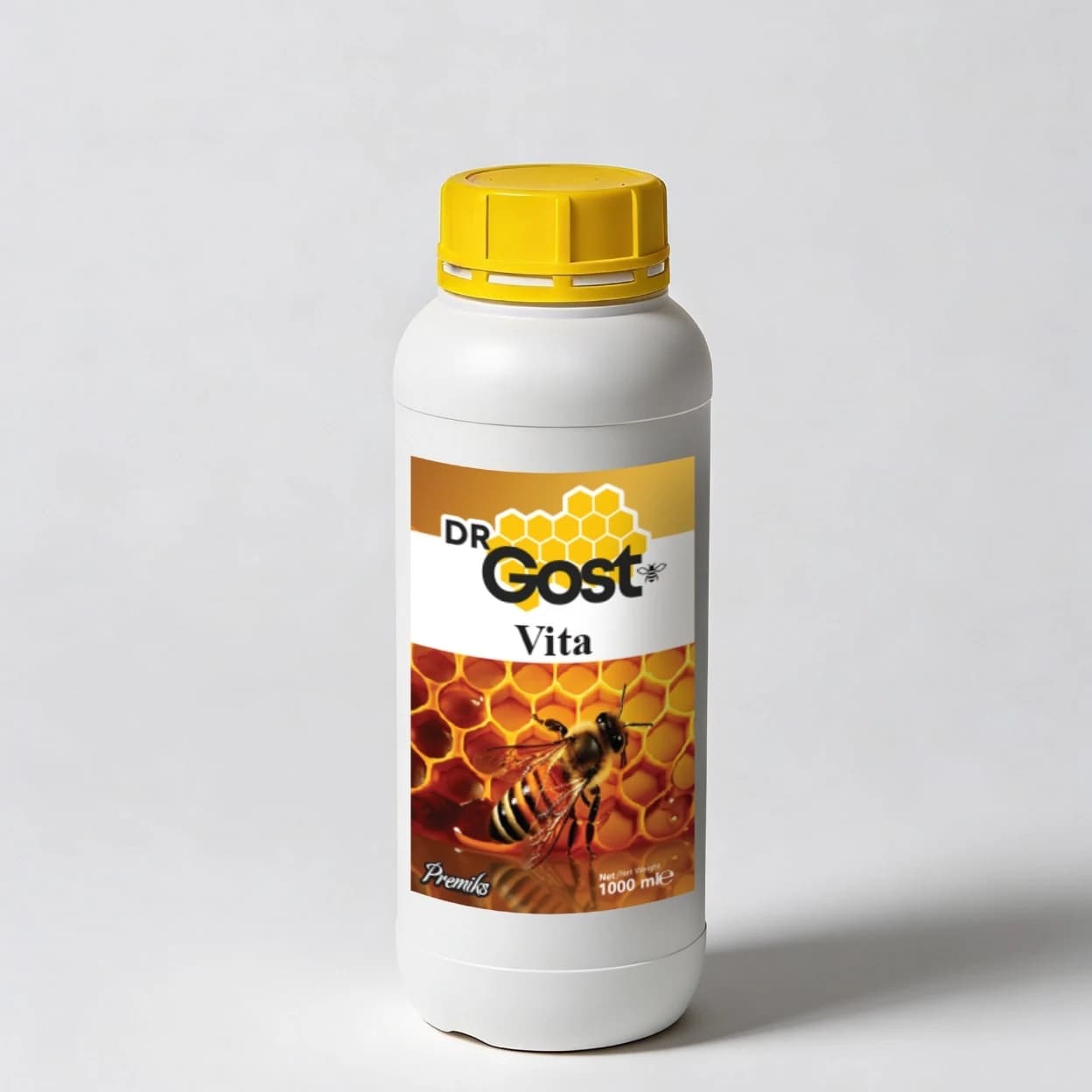
The Dr. Gost range we import was developed and tested inside that tradition, by Dr. Soner Güner, who holds a doctorate in beekeeping and has more than twenty years of research behind him. He wrote Yeni Nesil Doğal Arıcılık — "New-Generation Natural Beekeeping" — described by its Turkish bookseller as the first written work in the country on the subject. It is a range formulated by someone whose profession is the study of bees, not a white-label product bought in and relabelled.
And to keep the two halves of our shop clearly apart, because this is the confusion under the original question:
The honey is ours. It comes from our own hives in Svinninge, Österåker, and nothing about it is imported.
The supplements are not ours. We import them, on our own EORI number and through our own customs clearance, into our own warehouse in Åkersberga.
What we are actually importing is not bottles. It is know-how — the output of a market big enough and serious enough to have paid for the work, brought to a country that has the beekeepers but not the pipeline. Sweden does not need to build a research institute to benefit from one existing.
Frequently asked questions
Why do your bee supplements come from Turkey?
Because that is where the research is. Turkey is in the top three worldwide on every measure that counts, and first in Europe on all of them: second in the world for honey produced, third for the number of hives, with around nine million colonies. Five subspecies of Apis mellifera live in Anatolia naturally, beekeeping is taught as a university degree with a state research institute behind it, and the Dr. Gost range was developed and tested inside that tradition. Our honey, by contrast, is entirely our own, from our own hives in Svinninge.
How many honeybee subspecies live in Turkey?
Five live there naturally: Apis mellifera anatoliaca in central Anatolia, A. m. caucasica in the north-east, A. m. meda in the east and south-east, A. m. syriaca in the south, and the C-lineage in Thrace. There is a long list of regional ecotypes on top of that, and the literature describes Anatolia as a genetic centre for honeybee populations across the Near East.
Does a bigger beekeeping market actually make better products?
It makes them possible. Formulating a bee supplement properly — trialling it, adjusting it, testing it across seasons and across different bee types — costs more than a small market will ever return, so in a small market it is not done and something generic gets sold instead. Nine million colonies and a research pipeline change that arithmetic, and having five regional bees in front of you means the work has to be good.
Is Turkish beekeeping under any threat?
Yes, and Turkish researchers are the ones saying so loudest. Migratory beekeeping moves colonies hundreds of kilometres across subspecies boundaries and requeening with commercially bred stock does the rest, so native Anatolian subspecies are losing their original traits and in places face extinction. The kilic ecotype, nearly lost and then rescued by Ahi Evran University together with the Kirsehir beekeepers association, is both the response and the evidence of how close the loss can come.
Products mentioned in this article
You might also need
This is written by a working apiary, not an agency
Buzzin’ Bees is in Svinninge. We sell the honey our own hives make, and the Dr. Gost supplements we bring into Sweden.