Spring Build-Up: Feeding & Boosting Colonies After a Nordic Winter
By Adam M Akkemik — beekeeper in Svinninge · Jordbruksverket registered · Biodlarna Stockholm member
Foderdeg, drivfoder or stödfoder — which one, and when. A practical Nordic guide to spring build-up: when to start feeding, why early brood needs pollen protein before the willow opens, and why the window falls in late February.
After a long Nordic winter, the first warm day of spring is a moment every beekeeper waits for. Here at our Svinninge apiary, just north of Stockholm at roughly 59° north, spring arrives late and stubbornly cold — which makes the spring build-up phase both the most exciting and the most decisive part of the beekeeping year.
Reading Winter Survival on the First Warm Day
Wait for a genuinely warm, still day — usually 12-14°C and no wind — before you open anything. On colder days you risk chilling brood, and a quick peek can cost you more than it tells you.
Your first inspection should be fast and gentle. You are not pulling the colony apart; you are answering a few questions:
- Is the colony alive, and how large is the cluster? A fist-sized cluster has a hard road ahead; a cluster covering several frames is well-positioned.
- Are there stores left? Heft the hive from behind — a worryingly light box means the colony is close to starvation.
- Can you see eggs or young larvae? Eggs mean a laying queen and a colony that has already begun its spring build-up.
- Any signs of dysentery, mould, or dampness? Brown streaking on the front of the hive often points to nosema or a long, hard confinement.
Close up quickly, take notes, and move on. The detailed work comes once the weather settles.
When to Start Spring Feeding in a Cold Nordic Spring
This is where Nordic beekeeping differs from the textbooks written further south. Our colonies often need help well into May, long before reliable forage appears. The trap is starting too early: feeding during a cold snap can stimulate brood the colony cannot keep warm.
The rule we follow is simple — feed for survival in late winter, feed for stimulation in spring. If a colony is genuinely light on stores, give it heavier feed or fondant immediately; starvation in March is a real and avoidable loss.
For true spring build-up, once daytime temperatures are consistently climbing, switch to a thin syrup. A 1:1 ratio (equal parts sugar and water by weight) mimics an incoming nectar flow and signals the queen to lay harder. This thin syrup is the engine of spring feeding bees: it tells the colony that the season has turned. Feed small amounts steadily rather than one large dose, and stop stimulative feeding once natural forage — willow, dandelion, fruit blossom — is genuinely coming in.
Swedish has two different words for these two jobs, and mixing them up is the commonest feeding mistake in the country. Drivfodring is what you are doing here: thin syrup, small doses, spring, to stimulate. Vinterfoder is the opposite end — a 60 % solution, in bulk, at the end of the season, to store. Thin syrup in September gives the colony twice as much water to evaporate at the time of year when it can least afford it. The autumn half of the argument is in Winter Feed for Bees.
What It Is Called in the Shops — foderdeg, drivfoder, stödfoder
If you are buying in Sweden, the words on the bag are not always the words in
the books, and that makes spring shopping harder than it needs to be.
- Foderdeg is the umbrella term for solid feed — the paste in a bag,
sometimes called fondant. Almost everything a Swedish supplier sells is
foderdeg med something: with vitamins, with herbs, with protein.
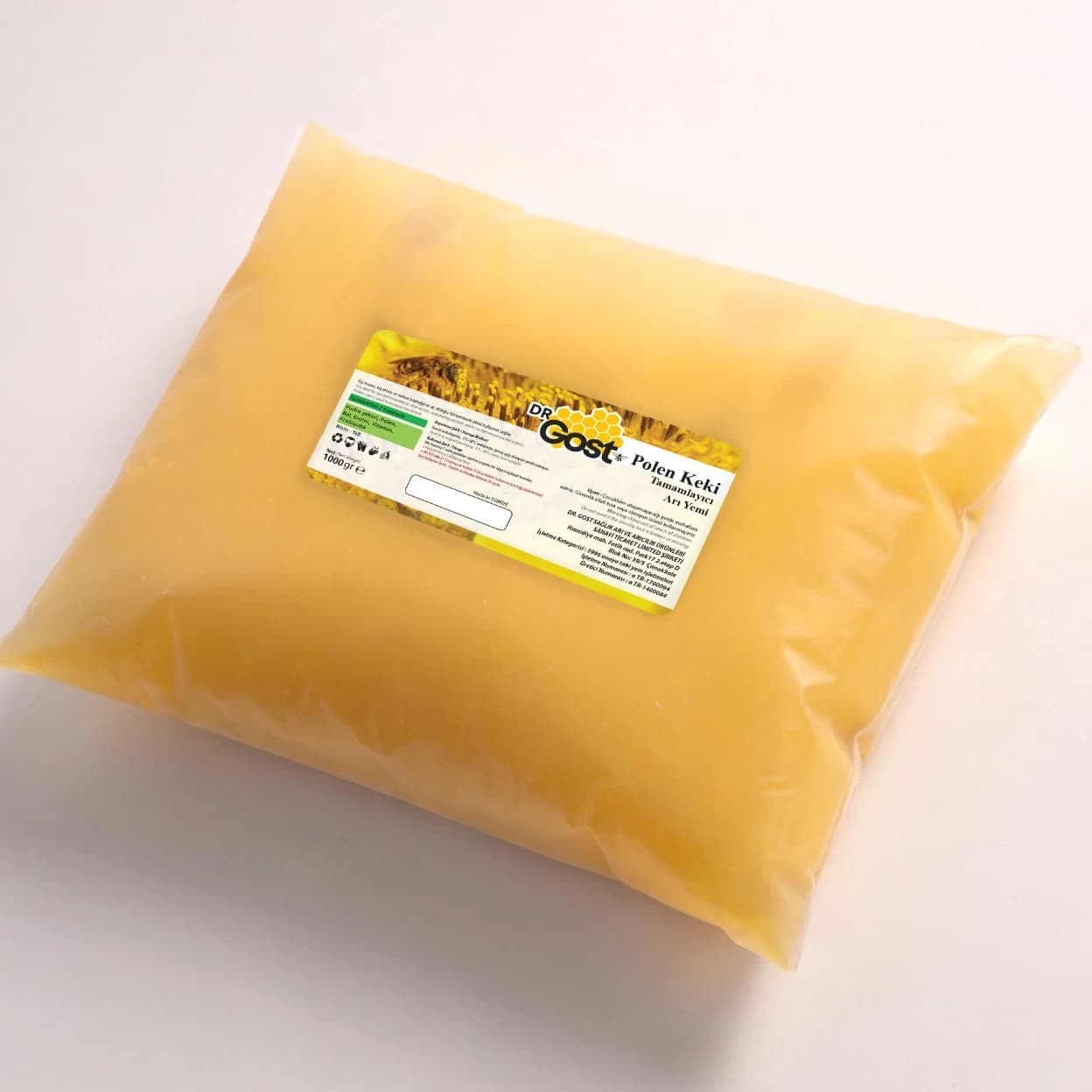
- Foderdeg med pollen is what you actually want in March. We call ours a
pollen cake (pollenkaka); the shelf usually says "foderdeg med pollen" or a
brand — Neopoll, Candipolline, Ambrosia.
- Drivfoder is feed given to stimulate: thin syrup or light paste, small
doses, in spring. The activity is drivfodring; the product category is
drivfoder.
- Stödfoder is feed given because the colony is short right now. Same
paste, different purpose — survival, not stimulation.
- Invintringsfoder is the heavy autumn feed meant to be stored. Also called
vinterfoder.
- Proteinfoder and pollensubstitut are protein without real pollen —
usually soy or yeast. They fill the same gap; they are not pollen.
Knowing drivfoder from stödfoder is not academic. It decides when you feed
and how much.
Pollen and Protein Before Natural Forage Arrives
Syrup is carbohydrate; it fuels flight and warmth but it does not raise brood. To turn eggs into healthy workers, a colony needs protein, and protein comes from pollen. In a cold spring, the queen is often laying before a single catkin has opened — which means the colony is drawing down its precious stored pollen at exactly the wrong moment.
This is the protein gap, and it is where a pollen patty earns its place. A protein supplement placed directly over the cluster gives nurse bees the amino acids they need to produce brood food, so build-up continues even when the weather keeps foragers grounded.
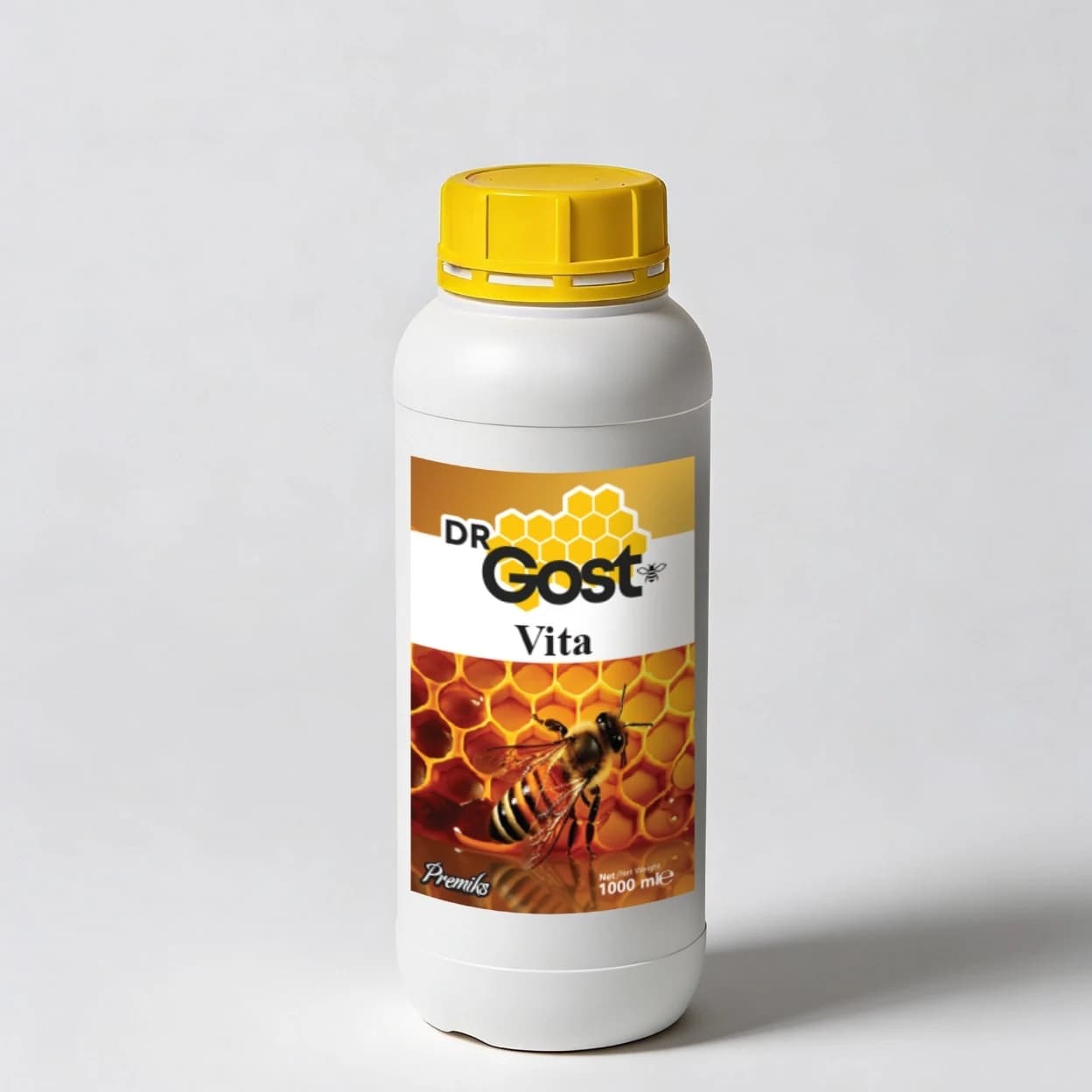
Our Dr. Gost pollen cakes, bee vitamins, and probiotics are designed precisely for this window — a spring boost to bridge the gap before real pollen flows. We are honest about what they are: a supplement, not a substitute for natural forage. Once your willow and dandelion are blooming, the bees will always prefer the real thing, and they should. Use supplementation to carry the colony to that point, not past it. The probiotics in particular can help support gut health in colonies coming out of a long, confined winter.
Why the window is early, and why it is short
Bees do not break cluster to suit us. Below roughly +10 °C the colony stays in
winter mode, and lifting the lid in that cold costs heat the colony cannot
spare. Meanwhile the queen has already started laying and nature has nothing to
offer yet — the willow has not opened.
That is the whole point of a pollen cake: it goes directly over the cluster,
so nurse bees reach it without leaving the warmth. You do not need to go
through the colony. Lift the lid, lay the cake on, close — seconds, on a day
that allows it.
In this part of the country the window falls in **late February and early
March**, before the first real forage. Which means the feed has to be at home
before then. Buy it before Christmas, not in March when everyone else is
looking at once and the shelves are bare.
Giving Room Without Chilling the Brood
As the cluster grows, it needs space — but space given too fast in a cold spring chills brood and wastes the colony's heat. The skill of spring build-up is expanding at the colony's pace, not yours.
- Keep the brood nest compact and warm early on; a smaller, well-covered nest builds faster than a sprawling cold one.
- Reverse or rearrange boxes only when the colony has clearly filled the upper box and the lower one stands empty — this gives the queen fresh comb to climb into.
- Add room frame by frame rather than a whole super at once, until the colony is strong enough to hold the extra volume.
- Insulation still matters in May this far north; do not strip a colony bare the moment the sun appears.
A Disease and Varroa Check on the First Real Inspection
Your first proper inspection is also your first health check of the year. Look closely at the brood: a healthy pattern is solid and even. Scattered, sunken, or perforated cappings deserve attention.
Spring is the moment to assess varroa, because mite levels are low now and will only climb as brood expands. A sugar-roll or alcohol wash gives you a real number rather than a guess. Catching mites early — before the summer brood explosion — is far easier than fighting them in August. A strong colony built up on good nutrition also simply tolerates stress better, which is part of why a careful after-winter beekeeping routine pays off all season.
Staying Ahead of Swarm-Trigger Overcrowding
The same momentum you have worked to build can quickly turn against you. A colony that explodes in late spring will, if it runs out of room, decide to swarm — and a swarm in May takes your honey crop with it.
To build up a colony in spring without losing it:
- Watch for the first queen cups and play cups appearing along the bottom of frames.
- Keep adding room just ahead of the colony's growth, so the brood nest is never backfilled with nectar.
- Make sure the queen always has empty comb to lay in.
- If a colony is racing ahead, consider splitting it — turning swarm energy into a second colony rather than a lost one.
Spring build-up is a balancing act: enough food and warmth to grow fast, enough room and vigilance to stay calm. Get it right, and by midsummer you will have strong, healthy colonies ready for the main flow. From all of us at Buzzin' Bees — happy spring.
See it in practice
English audio · Swedish & Turkish subtitles
The video loads from YouTube (Google) when you press.
Frequently asked questions
What is the difference between drivfoder and stödfoder?
The purpose, not the product. Drivfoder is fed to stimulate: thin syrup or light paste, small doses, in spring, to signal that the season has turned. Stödfoder is fed because the colony is short of stores right now, and the point is survival rather than stimulation. The same bag of foderdeg can be either, depending on why you are putting it on. Getting the two the wrong way round is the commonest spring feeding mistake in Sweden, because feeding for stimulation during a cold snap can raise brood the colony cannot then keep warm.
What is a pollen cake called in Swedish shops?
Usually foderdeg med pollen, sometimes proteinfoder, and often just the brand — Neopoll, Candipolline, Ambrosia. Solid feed as a class is foderdeg, and almost everything on the shelf is sold as foderdeg med something: with vitamins, with herbs, with protein. We call ours a pollenkaka. If you search for pollenkaka and find nothing, it is the word that is missing rather than the product.
When should a pollen cake go on the hive in a Nordic spring?
In this part of Sweden the window is late February and early March, before the first real forage. The reason it is that early is that the queen starts laying before a single catkin has opened, so the colony draws down its stored pollen at the worst possible moment. The reason it is short is temperature: below roughly +10 °C the colony stays in winter mode and will not break cluster, so the cake has to be there before the weather allows any real inspection. Have the feed at home before Christmas rather than looking for it in March.
Can I open the hive to put feed on when it is still cold?
Briefly, yes — and briefly is the whole method. The cake goes directly over the cluster so that nurse bees reach it without leaving the warmth, which means you do not need to go through the colony at all. Lift the lid, lay the cake on, close: seconds, on a day that allows it. What costs the colony is a full inspection in the cold, not the few seconds it takes to place feed.
Products mentioned in this article
You might also need
This is written by a working apiary, not an agency
Buzzin’ Bees is in Svinninge. We sell the honey our own hives make, and the Dr. Gost supplements we bring into Sweden.