Vårutveckling: Stötta och fodra samhället efter vintern
Av Adam M Akkemik — biodlare i Svinninge · Jordbruksverket · Biodlarna Stockholm
Foderdeg, drivfoder eller stödfoder — vilket och när? En praktisk nordisk guide till vårutveckling: när du ska börja fodra, varför tidigt yngel behöver pollenprotein innan sälgen öppnar, och varför fönstret ligger i slutet av februari.
Efter en lång nordisk vinter är den första riktigt varma vårdagen ett ögonblick varje biodlare väntar på. Här på vår bigård i Svinninge, strax norr om Stockholm på ungefär 59 graders nordlig bredd, kommer våren sent och envist kall — vilket gör vårutvecklingen till både den mest spännande och den mest avgörande delen av biodlaråret.
Läs av övervintringen på den första varma dagen
Vänta på en verkligt varm och vindstilla dag — gärna 12-14°C utan blåst — innan du öppnar något. På kallare dagar riskerar du att kyla ner yngel, och en snabb titt kan kosta dig mer än den ger.
Den första inspektionen ska vara snabb och varsam. Du ska inte plocka isär samhället, utan bara svara på några frågor:
- Lever samhället, och hur stort är klotet? Ett knytnävsstort klot har en tuff väg framför sig; ett klot som täcker flera ramar står sig betydligt bättre.
- Finns det foder kvar? Lyft bakkant — en oroväckande lätt låda betyder att samhället är nära svält.
- Ser du ägg eller unga larver? Ägg betyder en värpande drottning och ett samhälle som redan påbörjat sin vårutveckling.
- Tecken på utsot, mögel eller fukt? Bruna streck på flusterbrädan tyder ofta på nosema eller en lång, hård instängdhet.
Slut snabbt, anteckna och gå vidare. Det noggranna arbetet kommer när vädret stabiliserat sig.
När vårfodringen ska börja i en kall nordisk vår
Det är här nordisk biodling skiljer sig från läroböckerna som skrivits längre söderut. Våra samhällen behöver ofta hjälp långt in i maj, långt innan pålitligt drag dyker upp. Fällan är att börja för tidigt: att fodra under en köldknäpp kan stimulera fram yngel som samhället inte förmår hålla varmt.
Regeln vi följer är enkel — fodra för överlevnad på senvintern, fodra för stimulans på våren. Är ett samhälle verkligt fodersvagt ger du tungt foder eller fondant omedelbart; svält i mars är en verklig och fullt undvikbar förlust.
För riktig vårutveckling, när dagstemperaturen stadigt börjar stiga, går du över till tunn sockerlösning. En 1:1-blandning (lika delar socker och vatten i vikt) härmar ett inkommande nektardrag och signalerar till drottningen att lägga på. Den tunna lösningen är själva motorn i vårfodring av bin: den talar om att säsongen har vänt. Ge små mängder regelbundet snarare än en stor giva, och sluta med stimulansfodring så snart naturligt drag — sälg, maskros, fruktblom — verkligen kommer in.
Det finns två olika ord för de två jobben, och att blanda ihop dem är den vanligaste fodringsmissen i landet. Drivfodring är det du gör här: tunn sockerlösning, små givor, på våren, för att stimulera. Vinterfoder är motsatta änden — en 60-procentig lösning, i mängd, i slutet av säsongen, för att lagras. Tunn lösning i september ger samhället dubbelt så mycket vatten att avdunsta vid den tid på året då det har som minst råd med det. Höstens halva av resonemanget står i Vinterfoder till bin.
Vad det heter i handeln — foderdeg, drivfoder och stödfoder
Orden på förpackningen är inte alltid orden i böckerna, och det gör vårinköpen
onödigt krångliga. Så här hänger de ihop:
- Foderdeg är samlingsnamnet för det fasta fodret — degen i påse, ibland
kallad fondant. Nästan allt du hittar hos en svensk biredskapshandlare säljs
som foderdeg med något: foderdeg med vitaminer, med örter, med protein.
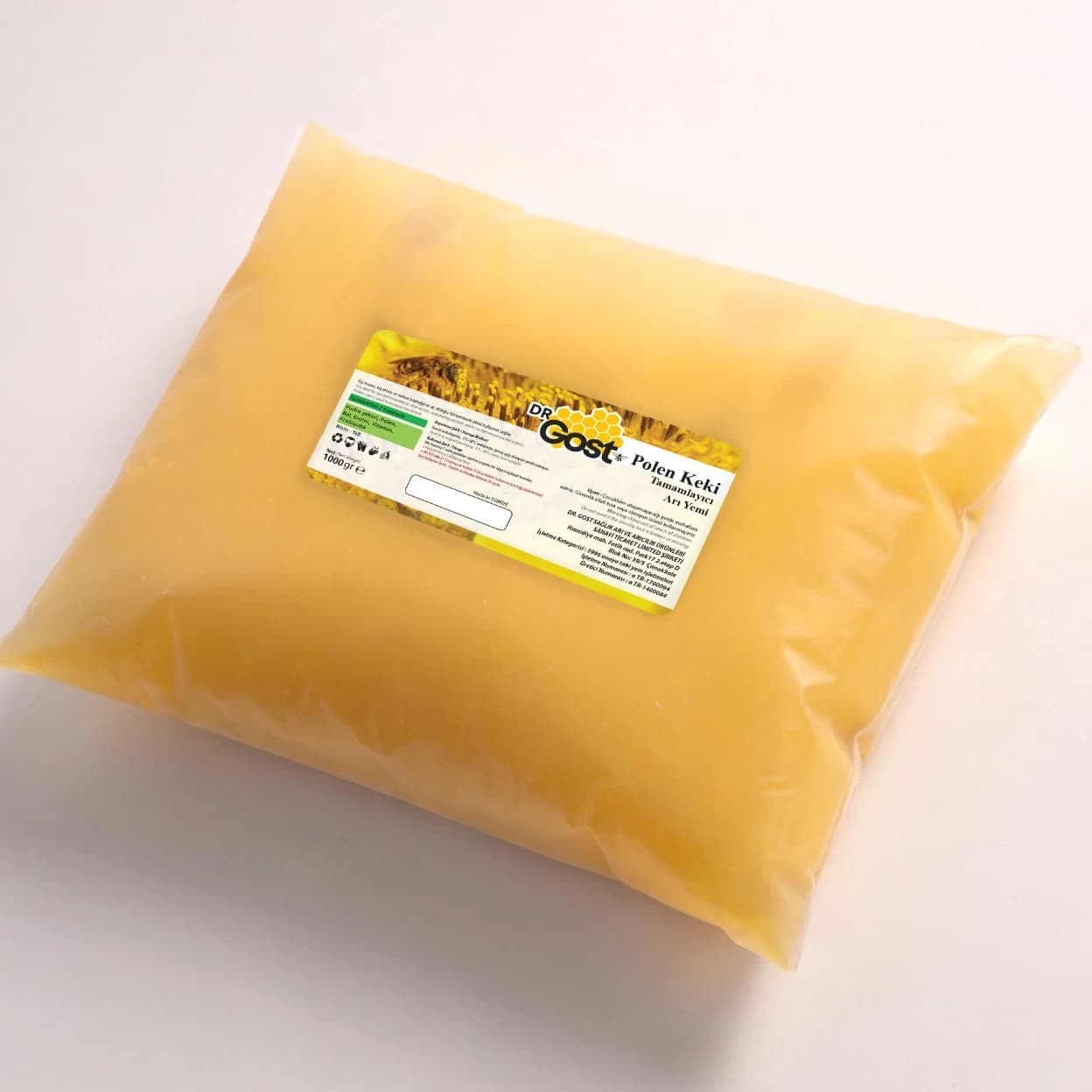
- Foderdeg med pollen är det du letar efter i mars. Vi kallar vår egen för
pollenkaka; på hyllan står det oftast "foderdeg med pollen" eller ett
varumärke — Neopoll, Candipolline, Ambrosia. Söker du på pollenkaka och
inte hittar något är det ordet som saknas, inte varan.
- Drivfoder ges för att stimulera: tunn sockerlösning eller lätt deg,
små givor, på våren. Handlingen heter drivfodring, produktkategorin heter
drivfoder.
- Stödfoder ges för att samhället är fodersvagt just nu. Samma deg, annat
syfte — överlevnad, inte stimulans.
- Invintringsfoder är höstens tunga giva som ska lagras. Kallas också
vinterfoder.
- Proteinfoder och pollensubstitut är protein utan riktigt pollen —
ofta soja eller jäst. De fyller samma glapp, men de är inte pollen.
Skillnaden mellan drivfoder och stödfoder är inte akademisk. Den avgör när du
ger och hur mycket, och det är den vanligaste vårmissen i landet.
Pollen och protein innan det naturliga draget kommer
Sockerlösning är kolhydrat; det driver flygning och värme men föder inget yngel. För att förvandla ägg till friska bin behöver samhället protein, och protein kommer från pollen. I en kall vår värper drottningen ofta innan en enda hänge öppnat sig — vilket betyder att samhället tär på sitt dyrbara pollenförråd vid precis fel tidpunkt.
Detta är proteinglappet, och det är här en pollenkaka gör verklig nytta. Ett proteintillskott lagt direkt över klotet ger ambina de aminosyror de behöver för att producera yngelföda, så att uppbyggnaden fortsätter även när vädret håller dragbina på marken.
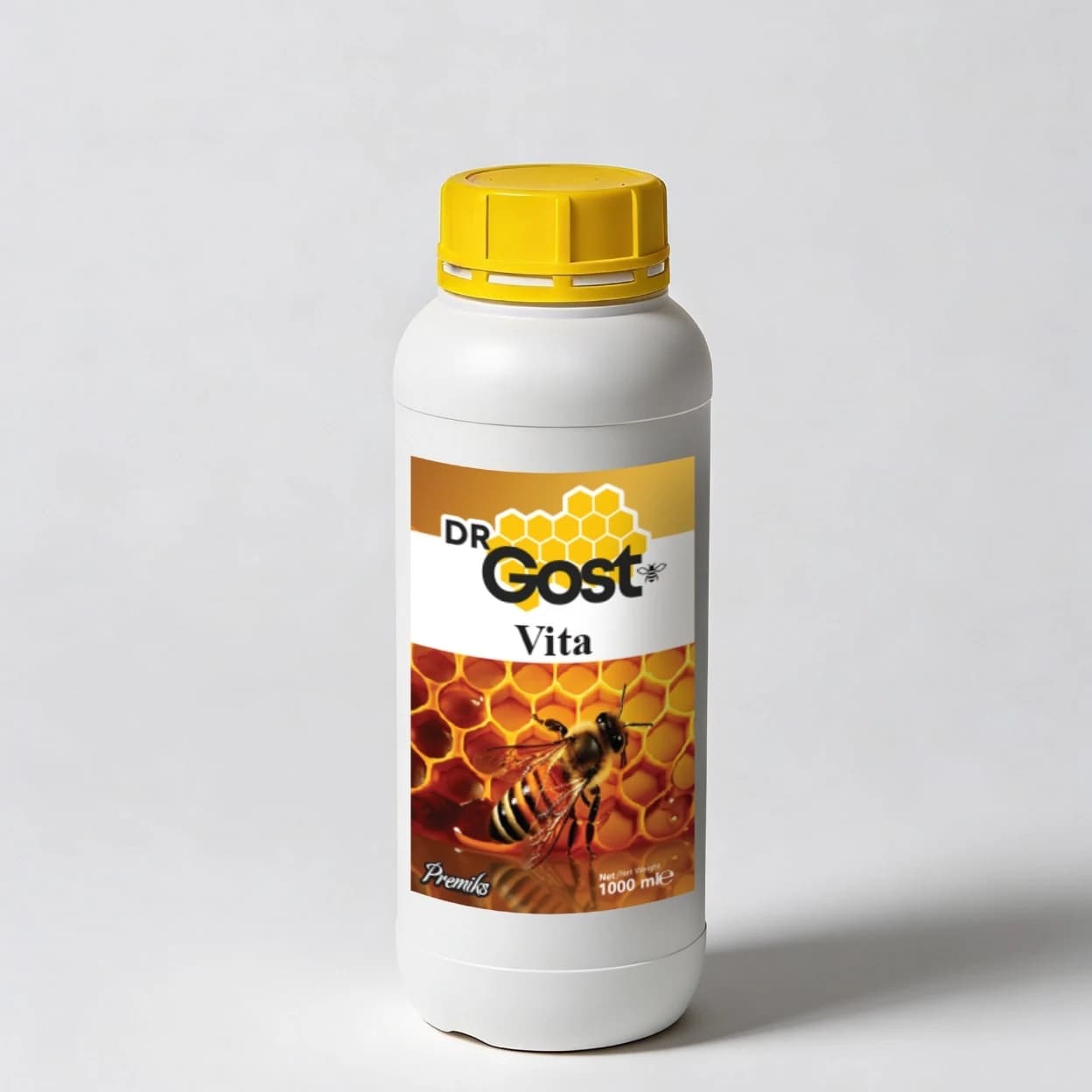
Våra Dr. Gost-pollenkakor, bivitaminer och probiotika är gjorda just för det här fönstret — en vårboost som överbryggar glappet innan riktigt pollen flödar. Vi är ärliga med vad de är: ett tillskott, inte en ersättning för naturligt drag. När din sälg och maskros väl blommar kommer bina alltid att föredra det äkta — och så ska det vara. Använd tillskott för att bära samhället fram till den punkten, inte förbi den. Probiotikan i synnerhet kan bidra till en god tarmhälsa hos samhällen som kommer ut ur en lång, instängd vinter.
Varför fönstret ligger så tidigt — och varför det är så kort
Bina bryter inte klotet för vår skull. Under ungefär +10 °C sitter samhället
kvar i vinterläge, och att lyfta på locket i den kylan kostar värme som
samhället inte har råd att förlora. Samtidigt har drottningen redan börjat
värpa och naturen har ännu ingenting att erbjuda — sälgen har inte öppnat.
Det är hela poängen med en pollenkaka: den ska ligga direkt över klotet, så
att ambina når den utan att lämna värmen. Du behöver inte gå igenom samhället.
Lyft locket, lägg kakan, stäng — några sekunder, på en dag som tillåter det.
I den här delen av landet infaller fönstret i **slutet av februari och början
av mars**, före det första riktiga draget. Det betyder att fodret ska finnas
hemma innan dess. Planera inköpet före jul, inte i mars när alla andra söker
samtidigt och hyllorna är tomma.
Ge utrymme utan att kyla ner ynglet
När klotet växer behöver det plats — men plats som ges för fort i en kall vår kyler ynglet och slösar samhällets värme. Konsten i vårutveckling är att expandera i samhällets takt, inte din egen.
- Håll yngelrummet kompakt och varmt i början; ett mindre, väl täckt yngel byggs upp snabbare än ett utspritt och kallt.
- Vänd eller flytta om lådorna först när samhället tydligt fyllt den övre lådan medan den nedre står tom — då får drottningen ny vaxkaka att klättra upp i.
- Ge utrymme ram för ram snarare än en hel skattlåda på en gång, tills samhället är starkt nog att hålla den extra volymen varm.
- Isolering spelar fortfarande roll i maj så här långt norrut; klä inte av ett samhälle i samma stund som solen tittar fram.
Sjukdoms- och varroakontroll vid den första riktiga inspektionen
Din första ordentliga inspektion är också årets första hälsokoll. Titta noga på ynglet: ett friskt mönster är jämnt och sammanhängande. Glesa, insjunkna eller perforerade täckceller förtjänar uppmärksamhet.
Våren är rätt tillfälle att bedöma varroatrycket, eftersom kvalsternivåerna är låga nu och bara kommer att stiga i takt med att ynglet ökar. Ett sockerprov eller ett spritprov ger dig en verklig siffra i stället för en gissning. Att fånga kvalster tidigt — innan sommarens yngelexplosion — är långt enklare än att slåss mot dem i augusti. Ett starkt samhälle byggt på god näring tål dessutom helt enkelt påfrestningar bättre, vilket är en del av varför ett omsorgsfullt vårarbete efter vintern lönar sig hela säsongen.
Håll dig steget före svärmutlösande trängsel
Samma fart du arbetat för att bygga upp kan snabbt vända sig emot dig. Ett samhälle som exploderar på senvåren bestämmer sig för att svärma om det får slut på plats — och en svärm i maj tar din honungsskörd med sig.
För att bygga upp ett samhälle på våren utan att tappa det:
- Håll utkik efter de första spel- och svärmcellerna längs ramarnas nederkant.
- Fortsätt ge utrymme strax före samhällets tillväxt, så att yngelrummet aldrig fylls igen med nektar.
- Se till att drottningen alltid har tom kaka att värpa i.
- Skenar ett samhälle iväg kan en avläggare vara svaret — då blir svärmlusten ett andra samhälle i stället för ett förlorat.
Vårutveckling är en balansgång: tillräckligt med foder och värme för att växa snabbt, tillräckligt med utrymme och vaksamhet för att hålla sig lugn. Gör du det rätt har du vid midsommar starka, friska samhällen redo för huvuddraget. Från oss alla på Buzzin' Bees — glad vår.
Se det i praktiken
Engelskt tal · svensk & turkisk text
Videon hämtas från YouTube (Google) när du trycker.
Vanliga frågor
Vad är skillnaden mellan drivfoder och stödfoder?
Syftet, inte varan. Drivfoder ges för att stimulera: tunn sockerlösning eller lätt deg, små givor, på våren, för att signalera att säsongen vänt. Stödfoder ges för att samhället är fodersvagt just nu, och då handlar det om överlevnad snarare än stimulans. Samma påse foderdeg kan vara båda delarna beroende på varför du lägger på den. Att förväxla dem är den vanligaste vårfodringsmissen i landet, eftersom stimulansfodring under en köldknäpp kan ge yngel som samhället sedan inte förmår hålla varmt.
Vad heter pollenkaka i svenska butiker?
Oftast foderdeg med pollen, ibland proteinfoder, och ofta bara varumärket — Neopoll, Candipolline, Ambrosia. Fast foder som varugrupp heter foderdeg, och nästan allt på hyllan säljs som foderdeg med något: med vitaminer, med örter, med protein. Vår egen kallar vi pollenkaka. Söker du på pollenkaka och inte hittar något är det ordet som saknas, inte varan.
När ska pollenkakan läggas på i en nordisk vår?
I den här delen av landet ligger fönstret i slutet av februari och början av mars, före det första riktiga draget. Att det är så tidigt beror på att drottningen börjar värpa innan en enda hänge öppnat sig, så samhället tär på sitt pollenförråd vid sämsta möjliga tidpunkt. Att det är så kort beror på temperaturen: under ungefär +10 °C sitter samhället kvar i vinterläge och bryter inte klotet, så kakan måste ligga på plats innan vädret tillåter någon riktig genomgång. Ha fodret hemma före jul i stället för att leta i mars.
Kan jag öppna kupan för att lägga på foder när det fortfarande är kallt?
Kort, ja — och kortheten är hela metoden. Kakan läggs direkt över klotet så att ambina når den utan att lämna värmen, vilket betyder att du inte behöver gå igenom samhället alls. Lyft locket, lägg på kakan, stäng: några sekunder, på en dag som tillåter det. Det som kostar samhället är en fullständig genomgång i kylan, inte de sekunder det tar att lägga på foder.
Produkter som nämns i artikeln
Du kanske också behöver
Det här skrivs av en bigård, inte av en byrå
Buzzin’ Bees ligger i Svinninge. Vi säljer honungen våra egna kupor gör, och Dr. Gost-tillskotten vi tar in till Sverige.